




In commercial or residential construction and renovation, Division 8 is a term frequently used by contractors, architects, and interior finishing suppliers. However, its exact meaning is sometimes unclear. Understanding what Division 8 includes not only helps structure a project more effectively but also supports better decisions when selecting materials and partners.
In this article, we explain what Division 8 is according to the CSI MasterFormat, why it is essential for contractors, what types of products it includes, and the role of an interior finishing supplier like Intermat in this key construction category.
What Is Division 8 According to the CSI MasterFormat?
Division 8 is part of the CSI MasterFormat, a classification system used across North America to organize construction specifications. This format allows all project stakeholders to speak the same language, avoid misunderstandings, and structure bids and project documentation efficiently.
Division 8 corresponds to:
Openings
It includes all elements that close, separate, or secure a space while ensuring functionality, durability, and aesthetics. In other words, Division 8 covers everything related to doors and their components.
It is commonly used in technical specifications, architectural plans, and tender documents to clearly identify the products that must be supplied and installed.
Why Is Division 8 So Important for Contractors?
For contractors, Division 8 plays a strategic role at several stages of a project.
1. Essential coordination
Division 8 elements must be carefully coordinated with:
-
The building structure
-
Interior partitions and walls
-
Interior finishes
-
Acoustic and fire-rating requirements
An error in door selection or sizing can lead to delays, costly rework, and adjustments on the jobsite.
2. A direct impact on final quality
Doors, frames, and hardware are handled daily. They influence:
-
The occupant experience
-
The perceived quality of the building
-
The durability of installations
A poorly suited or low-quality product becomes noticeable very quickly.
3. Compliance with codes and standards
Division 8 often includes specific requirements related to:
-
Fire resistance
-
Sound insulation
-
Universal accessibility
-
Safety
Working with an experienced interior finishing supplier helps avoid compliance issues.
Examples of Products Covered by Division 8
Division 8 includes a wide range of products used in residential, commercial, institutional, and multi-unit construction.
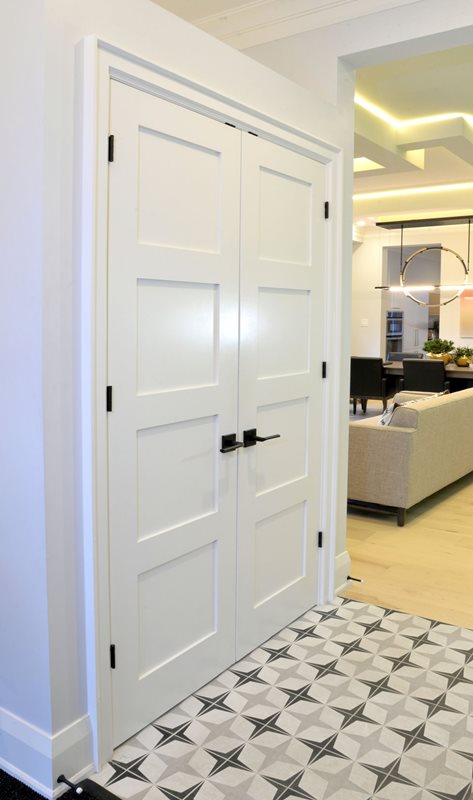
Interior doors
-
Masonite doors
-
MDF doors
-
Solid core or hollow core doors
-
Panel doors
-
Primed doors
-
Soundproof doors
Discover Intermat interior doors.
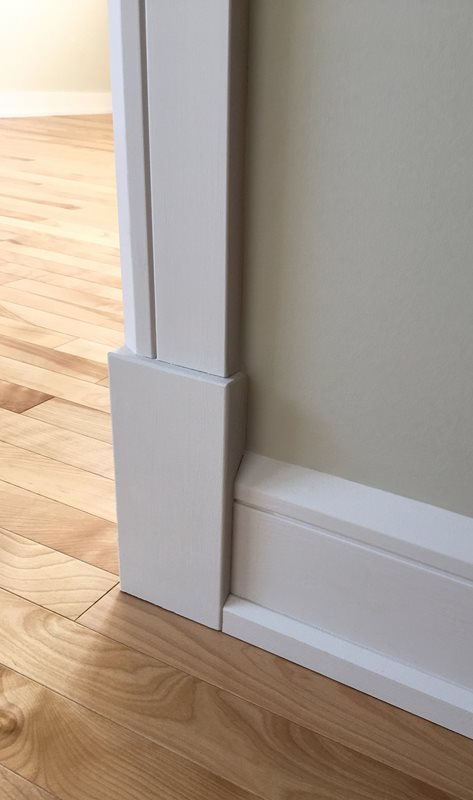
Frames and components
-
Door frames
-
Stiles and rails
-
Mullions
-
Preassembled doors
Specialty doors
-
Sliding doors
-
French doors
-
Mirror doors
-
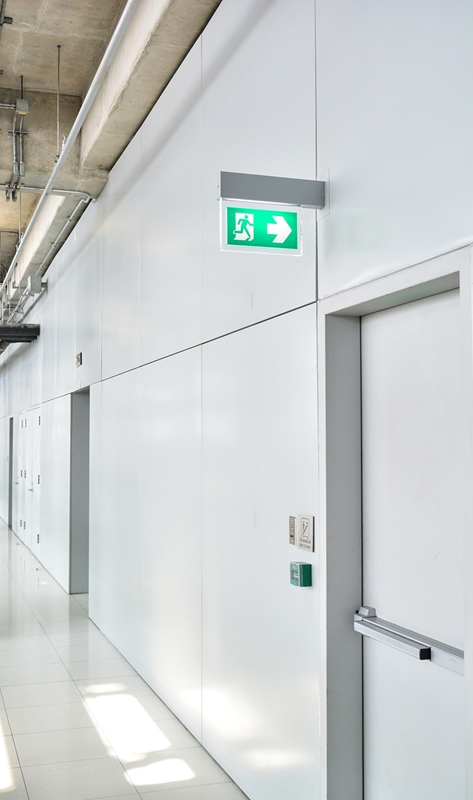
Fire-rated doors
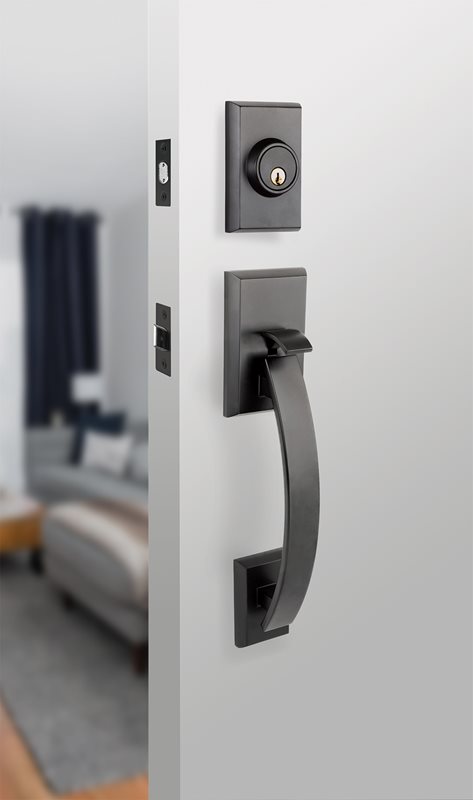
Hardware and accessories
-
Handles and locks
-
Hinges
-
Closing systems
-
Architectural hardware
These components must be selected carefully based on the intended use of the space, technical constraints, and the desired design.
Intermat’s Role in Division 8
As an interior finishing supplier, Intermat plays a key role in Division 8 by supporting construction professionals at every stage of their projects.
Technical support
Intermat does more than supply products. The team acts as a true partner by:
-
Advising contractors on the right doors and components
-
Helping interpret specifications and technical requirements
-
Proposing solutions adapted to jobsite constraints
Recognized expertise in interior doors
Intermat specializes in Division 8 products, including:
-
Interior doors
-
Preassembled systems
-
Finishing components
This specialization ensures better product consistency, improved installation quality, and durable results.
Services tailored to professionals
Whether the project is residential, commercial, or institutional, Intermat understands the realities contractors face:
-
Tight timelines
-
Budget constraints
-
The need for consistent product quality
The goal is to simplify the management of Division 8 and reduce unexpected issues.
The Benefits of Working with a Local Division 8 Supplier
Choosing a local interior finishing supplier offers several practical advantages for contractors.
1. Greater responsiveness
A local supplier like Intermat can:
-
Respond quickly to technical questions
-
Adjust orders when needed
-
Provide personalized follow-up
This proximity is a major advantage on construction sites.
2. Knowledge of local markets and standards
Building standards and practices may vary by region. Working with a local supplier helps ensure that products comply with:
-
Current building codes
-
Local construction practices
-
The expectations of industry professionals
3. Long-term trusted relationships
Division 8 is involved in almost every construction project. Building a long-term relationship with an interior finishing supplier allows contractors to:
-
Save time on future projects
-
Ensure product consistency
-
Receive advice adapted to evolving needs
In Summary
Division 8 in construction is much more than just a product category. It directly affects the functionality, safety, and aesthetics of buildings. For contractors, understanding it and working with the right partners is essential.
As an interior finishing supplier, Intermat supports professionals with specialized expertise, carefully selected products, and local service. This approach simplifies projects and contributes to their success, from specifications to final installation.